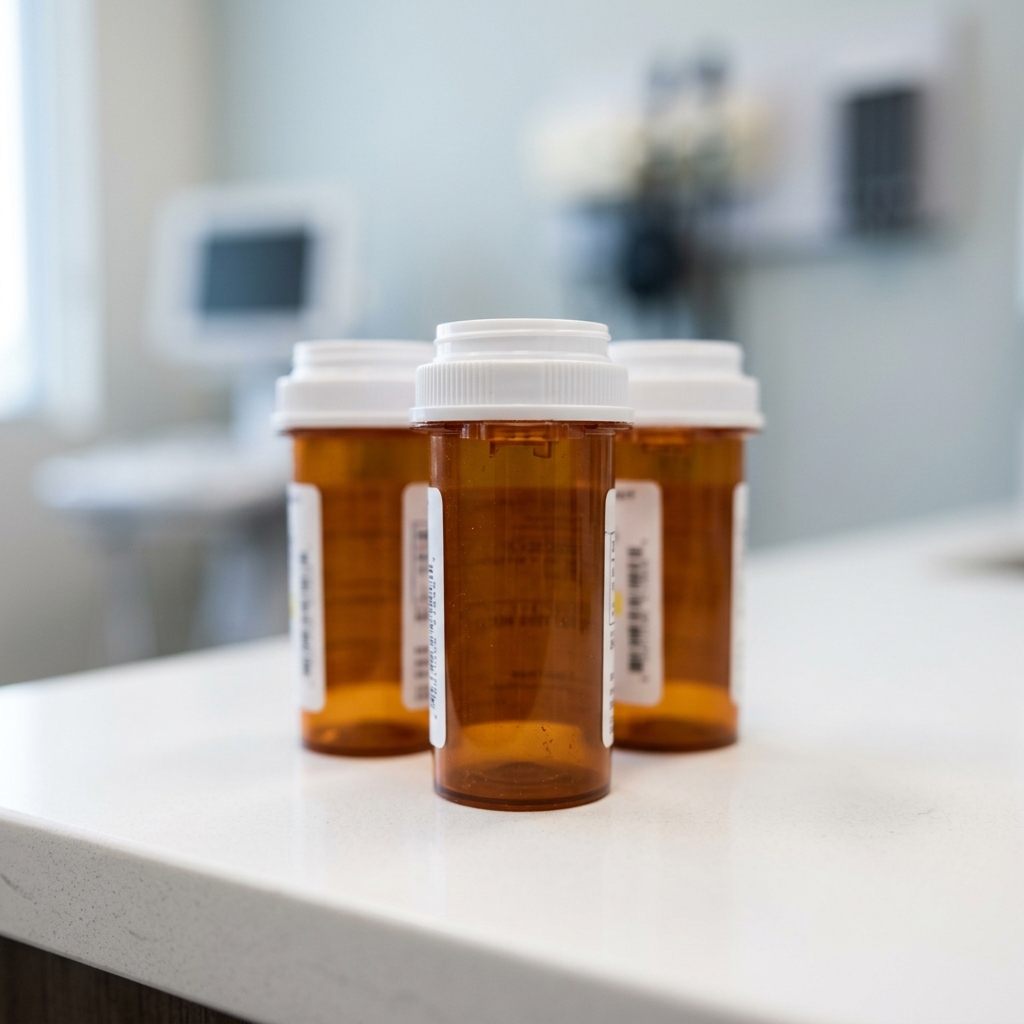
- Schedule a specific appointment to discuss a possible medication side effect; do not try to squeeze it into a routine follow-up. (Source: Family Caregiver Alliance, Current Guidelines)
- Use clear, non-confrontational language. Say, 'I've been reading about Drug-Induced Parkinsonism and noticed that Dad's symptoms started shortly after he began taking [Medication Name]. Could we investigate if this is a possibility?'
- Formally request a consultation with a clinical pharmacist, who is an expert in drug interactions and side effects. Always document who you spoke to and what was recommended in writing. Discuss any proposed changes with the neurologist or prescribing physician before taking action.
💡 What You Can Do Today: Draft and practice your opening sentence for the doctor's appointment. Rehearsing a simple, clear script like the one above builds confidence and ensures your concern is heard without delay.
Were tremor and rigidity symptoms sudden-onset, possibly triggered by a new prescription?
Our patient navigators can help you prepare for the conversation with your doctor.
Request a Call
Which Approach Is Right for Your Investigation?
| Approach | Best For | Time to Start | Cost |
|---|
| Home Medication & Symptom Audit | Initial fact-finding before a doctor's visit. | Immediate | Free |
| Pharmacist Medication Review | A professional safety check for interactions and known risks. | Same Day / Next Day | Often free with insurance or low cost. |
| Neurologist/MDS Consultation | Definitive diagnosis and creating a formal de-prescribing plan. | Weeks to Months | Specialist co-pays and deductibles apply. |
The Overlooked Clue: Why Symptom Symmetry Is a Red Flag
One of the most significant clinical clues differentiating DIP from idiopathic Parkinson's disease (PD) is symmetry. Classic PD almost always begins asymmetrically, with symptoms like tremor or rigidity starting in the limb of one side of the body. In contrast, Drug-Induced Parkinsonism often presents with bilateral, or symmetrical, symptoms from the outset. This is because the offending drug is circulating throughout the entire brain, blocking dopamine receptors equally on both sides. While not a definitive rule, if a patient develops tremors in both hands simultaneously shortly after starting a new medication, it should raise a significant red flag for DIP and prompt an immediate medication review. (Source: Parkinson's Foundation, Current Guidelines)
If symptoms appeared on both sides of the body at the same time, it is critical to investigate a potential drug-induced cause.
How to Formally Request a Pharmacist Audit and DIP Workup
To escalate your concerns effectively, use precise language. Contact the prescribing doctor's office and state, 'We are formally requesting a comprehensive medication reconciliation and deprescribing suitability review to rule out Drug-Induced Parkinsonism.' This signals a serious inquiry beyond a simple question. If the patient was recently hospitalized, contact the hospital's pharmacy department and ask for a copy of the medication administration record (MAR) from their stay. This provides an exact timeline of what was given and when. Always consult with the patient's primary neurologist before making any changes; this process is for gathering evidence to present to the clinical team for their expert decision-making.
✅ Your Next Steps
Use this checklist to start today.
- ✅ Add to Prep PDF: EMERGENCY: Pharmacist audit to rule out Drug-Induced Parkinsonism (Metoclopramide/Haloperidol/Valproate).
- ✅ Create a Medication & Symptom Timeline: Visually correlate the start date of all medications with the start date of any Parkinsonian symptoms.
- ✅ Schedule a Medication Review: Book a dedicated appointment with the prescribing doctor or a pharmacist to discuss your concerns about DIP.
- ✅ Document Everything in Writing: Keep a written log of conversations, doctor's instructions, and any changes in symptoms after a medication adjustment.
- ✅ Join the Community: Attend a free Parkinsons.Community peer support session.
Clinical References
- Conn H, Jankovic J. Drug-induced parkinsonism: diagnosis and treatment. Expert Opin Drug Saf. 2024;23(12):1503-1513. PMID: 39419777.
- Conn H, Jankovic J. Drug-induced parkinsonism: diagnosis and treatment. Expert Opin Drug Saf. 2024;23(12):1503-1513. PMID: 39419777.
- Adam MP, Bick S, et al. SLC6A3-Related Dopamine Transporter Deficiency Syndrome. . 1993. PMID: 28749637.
⚠️ Medical & Legal Disclaimer: This article is for educational purposes only and does not constitute medical advice. Consult a Movement Disorders Specialist for evaluation of Drug-Induced Parkinsonism (DIP). Parkinsons.Community provides educational navigation support only and does not perform clinical triage.
📞 When to Call 911: If you or your loved one experiences a medical emergency — difficulty breathing, loss of consciousness, a fall with injury, chest pain, or sudden severe confusion — call 911 immediately. The information on this page is educational and does not replace emergency medical services.
FREE MEMBER BENEFIT
Get a Medication Safety Review
The fear of a misdiagnosis is a heavy burden. Connecting with peers who have successfully navigated medication challenges can provide clarity and hope.
Call a Patient Advocate
Educational support only. Never medical triage.