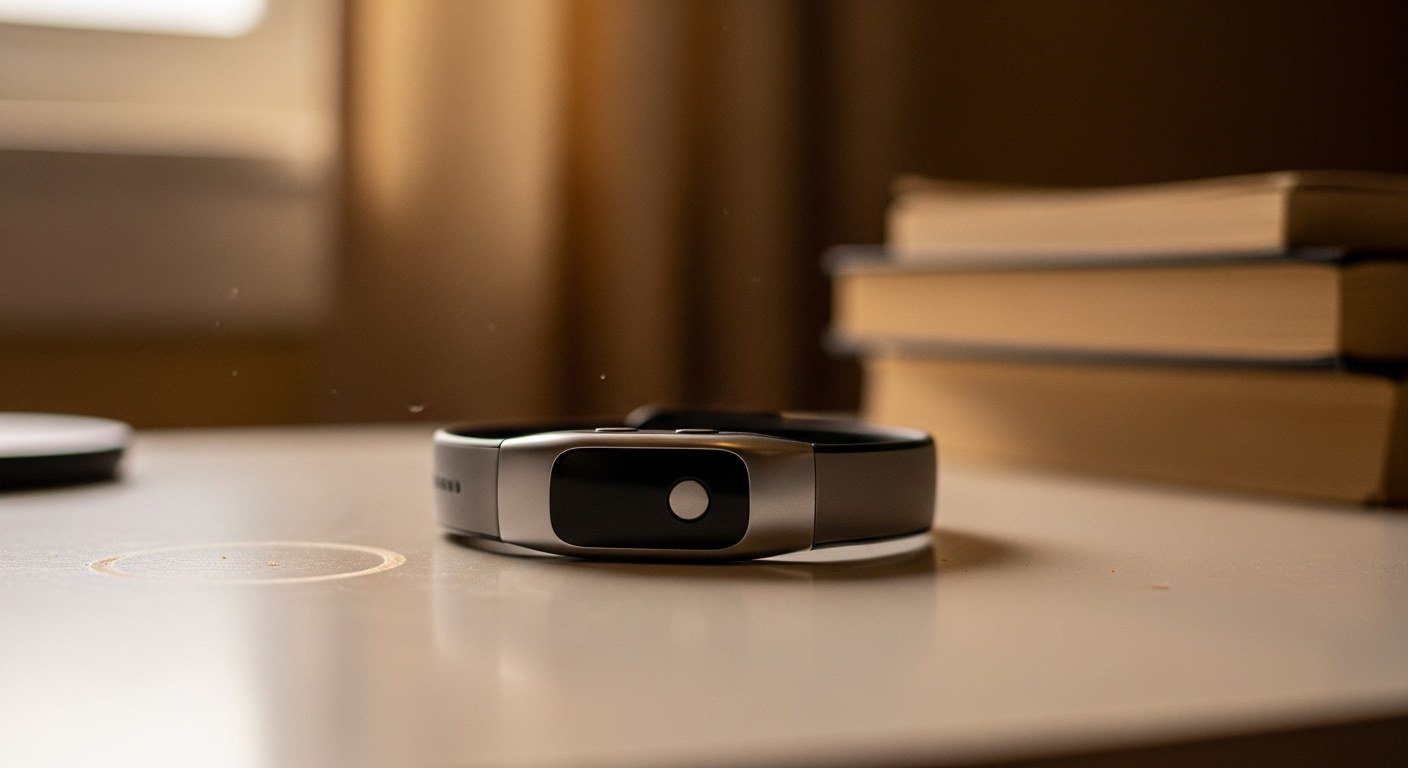
- Wearable devices are never a replacement for a comprehensive medication plan developed with a Movement Disorder Specialist.
- The underlying cause of Parkinson's tremor is a deficit of dopamine in the brain. Medications work to correct this chemical imbalance systemically.
- As the Movement Disorder Society (MDS) states, "Pharmacological optimization of the dopaminergic system remains the gold standard for Parkinsonian tremor; wearable dampeners are considered strictly adjunctive." [3] 'Adjunctive' means 'in addition to,' not 'instead of.'
- Never adjust, reduce, or stop Parkinson's medications without direct guidance from your prescribing physician, even if you are trying a new device.
💡 What You Can Do Today: What You Can Do Today: Keep a simple log for three days, noting when medications are taken and what the tremor is like one hour before and one hour after the dose. This helps your doctor with 'pharmacological optimization' and is a more powerful first step than any device.
Considering an expensive wearable device for tremor?
Navigating the options and marketing claims can be overwhelming.
Request a Call
Comparing Tremor Management Approaches
| Approach | Best For | Time to Efficacy | Typical Cost |
|---|
| Optimized Medication | Parkinson's resting tremor (gold standard) | Weeks to months | Varies with insurance |
| Wearable Nerve Stimulator | Action tremors (e.g., Essential Tremor) | Immediate upon use | $2,000 - $5,000+ (out-of-pocket) |
| Wearable Gyroscopic Dampener | Action tremors; some severe resting tremors | Immediate upon use | $4,000 - $7,000+ (out-of-pocket) |
The Neuromechanics: Why ET and PD Tremors Respond Differently
The reason wearable stimulators work better for Essential Tremor (ET) lies deep in the brain's wiring. According to research cited by the National Institute of Neurological Disorders and Stroke (NINDS), ET is considered a disorder of the cerebellum, which coordinates voluntary movement. The tremor signal travels along peripheral nerves, which can be intercepted by a wearable device on the wrist. In contrast, Parkinson's resting tremor originates from a dopamine deficit in the basal ganglia, a different and deeper part of the brain. This signal loop is less susceptible to interruption by stimulation at the wrist, making devices far less effective for the most common type of PD tremor. (Source: NINDS, Current Guidelines)
Think of it like this: A wearable device is trying to stop a phone call by putting a hand over the receiver (the wrist). It works if the call is coming from next door (ET/cerebellum), but not if it's a long-distance call from another continent (PD/basal ganglia).
How to Discuss Tremor Devices with Your Doctor
When bringing up a wearable device, framing the conversation is key to a productive partnership with your neurologist. Instead of asking for a specific brand, start by defining the problem. For example: "My main frustration is tremor when I'm trying to eat. We've optimized my levodopa timing, but this specific action tremor persists. I've seen ads for wearable devices. In your clinical experience, is there any type of adjunctive technology that has shown even minimal benefit for this specific problem, or would it be a waste of money?" This approach shows you respect their expertise, prioritizes medication management, and focuses on a functional goal. Be prepared for a discussion about the high out-of-pocket costs, as most insurance plans, including Medicare, do not cover these devices for a Parkinson's diagnosis (laws and coverage vary by state and individual plan — consult a licensed professional or SHIP counselor for your specific situation).
✅ Your Next Steps
Use this checklist to start today.
- ✅ Add to Prep PDF: Review clinical differentiation between Essential Tremor and PD resting tremor for wearable device candidacy.
- ✅ Take a Video: Record the tremor at rest (hands in lap) and in action (holding a full cup of water). This is the most crucial data for your neurologist.
- ✅ Check FDA Status: Before buying, search the FDA's 'De Novo' or '510(k)' database for the device name to see exactly what condition it was cleared to treat.
- ✅ Formally Request Coverage Details: Ask your insurance provider in writing if they cover 'transcutaneous afferent patterned stimulation' for a Parkinson's diagnosis. (laws and coverage vary by state and individual plan — consult a licensed professional or SHIP counselor for your specific situation)
- ✅ Join the Community: Attend a free Parkinsons.Community peer support session to discuss experiences with others.
Clinical References
- Fujikawa J, Morigaki R, et al. Diagnosis and Treatment of Tremor in Parkinson's Disease Using Mechanical Devices. Life (Basel). 2022. PMID: 36676025.
- Charles SK, Geiger DW, et al. Toward quantitative characterization of essential tremor for future tremor suppression. IEEE Int Conf Rehabil Robot. 2017;2017:175-180. PMID: 28813814.
- Fromme NP, Camenzind M, et al. Need for mechanically and ergonomically enhanced tremor-suppression orthoses for the upper limb: a systematic review. J Neuroeng Rehabil. 2019;16(1):93. PMID: 31319893.
Clinical References
- FDA Medical Device Clearances: “Transcutaneous afferent patterned stimulation therapies are primarily cleared for the symptomatic relief of Essential Tremor in the upper extremities.”
- Journal of Clinical Neuroscience: “Peripheral nerve stimulation devices show highly variable efficacy in idiopathic Parkinson's disease, particularly regarding the mitigation of classic pill-rolling resting tremors.”
- Movement Disorder Society (MDS): “Pharmacological optimization of the dopaminergic system remains the gold standard for Parkinsonian tremor; wearable dampeners are considered strictly adjunctive.”
⚠️ Medical & Legal Disclaimer: This article is for educational purposes only and does not constitute medical advice. Consult a Movement Disorders Specialist for evaluation of Wearable Tremor Devices. Parkinsons.Community provides educational navigation support only and does not perform clinical triage.
📞 When to Call 911: If you or your loved one experiences a medical emergency — difficulty breathing, loss of consciousness, a fall with injury, chest pain, or sudden severe confusion — call 911 immediately. The information on this page is educational and does not replace emergency medical services.
FREE MEMBER BENEFIT
You Don't Have to Face This Alone
The hope for a 'quick fix' for tremor can be powerful, but navigating the marketing hype and financial costs is exhausting. Connect with peers who have navigated these decisions.
Join Parkinsons.Community
Educational support only. Never medical triage.