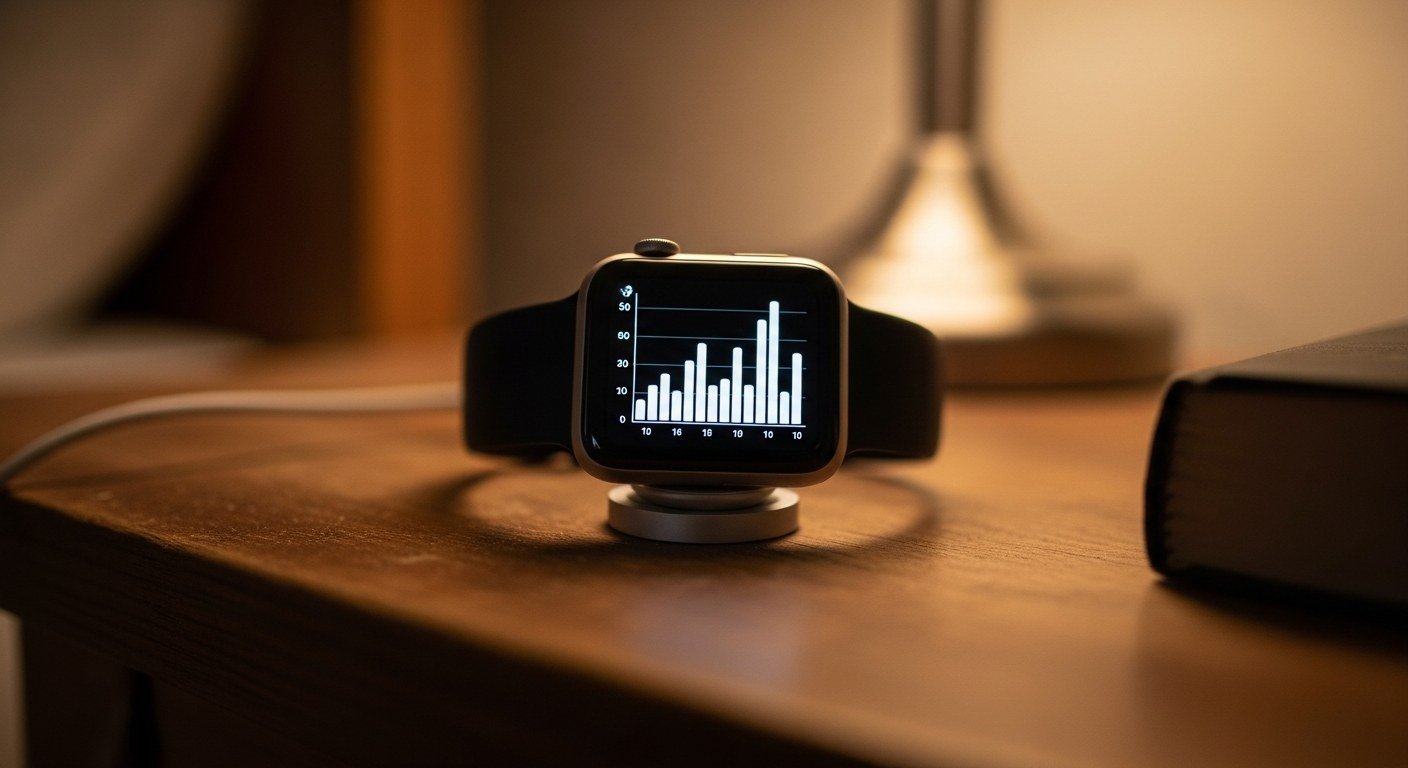
- Present the data as a tool to enhance, not replace, your verbal report. This data provides objective evidence that supports your subjective experiences (Source: AAN, Current Guidelines).
- Highlight the stakes: Accurate data on 'wearing-off' and dyskinesia can help prevent dose failures, reduce the risk of falls, and potentially delay the need for more invasive therapies. Always discuss these goals with your neurologist.
- Many neurologists, especially those using telehealth, now consider objective wearable data a key component of modern Parkinson's care. It is not just a novelty but an emerging standard (Source: NINDS, Current Guidelines).
💡 What You Can Do Today: When you call to confirm your appointment, state this sentence to the nurse or scheduler: 'I will be bringing a 7-day objective motor fluctuation report from an FDA-cleared wearable device to discuss medication titration.' This pre-frames the conversation and helps the clinical team prepare.
Feeling lost trying to remember every tremor and 'OFF' time?
Objective data can transform your conversations with the neurologist, and you don't have to figure it out alone.
Request a Call
Comparing Motor Fluctuation Tracking Methods
| Method | Best For | Data Quality | Physician Value |
|---|
| Paper Diary | Basic 'ON/OFF' awareness | Subjective, low precision, high recall bias | Low; hard to act on |
| Active 'Tapping' Apps | Tracking motor skills at a single point in time | Objective but intermittent; misses passive events | Medium; better than a diary |
| Passive Smartwatch API | Capturing 'wearing-off' and dyskinesia events automatically | Objective, continuous, high precision | High; enables data-driven medication titration |
The Accelerometer's Secret: Distinguishing Tremor from Normal Movement
A common question is how a watch can tell the difference between a Parkinson's tremor and other movements, like gesturing or typing. The answer lies in frequency analysis. The software algorithm isolates movement patterns within the 4-6 Hz frequency band, the characteristic signature of a Parkinsonian resting tremor. It simultaneously analyzes for other patterns that indicate dyskinesia. By filtering out movements at other frequencies (like the quicker motions of typing or the slower sway of walking), the device can achieve high specificity in tremor detection. This is more than just counting shakes; it's a form of digital signal processing that provides clinical-grade information. (Source: MDS, Current Guidelines).
Your watch isn't just counting shakes; it's performing a spectral analysis to identify the unique fingerprint of a Parkinsonian tremor.
Data Privacy and Sharing: Who Owns Your Tremor Data?
Using a personal device for medical tracking raises valid privacy concerns. According to Apple's framework, data collected by the Movement Disorder API is processed on-device and stored encrypted within your Health app. It is not shared with Apple or other third parties unless you explicitly choose to do so. When you export the PDF report to share with your neurologist, that document then becomes part of your personal health information. At that point, it should be protected under HIPAA by your provider's clinic. Always confirm your clinic's policy for receiving patient-generated health data before sending. (Source: Family Caregiver Alliance, Current Guidelines).
✅ Your Next Steps
Use this checklist to start today.
- ✅ Add to Prep PDF: Present exported smartwatch API data log (Tremor/Dyskinesia) for medication titration.
- ✅ Enable Tracking Now: Navigate to the Health app on your iPhone, search for 'Movement Disorder Tracking,' and enable it. Ensure the watch is worn for 7+ days before your next appointment.
- ✅ Set an Export Reminder: Set a calendar reminder for two days before your neurology appointment to export the PDF report from the Health app.
- ✅ Prepare Your Questions: Write down specific questions for your doctor based on the data, such as, 'The report shows my tremors peak at 3 p.m. Should we discuss adjusting my midday medication?' Always consult your physician before making any changes.
- ✅ Join the Community: Attend a free Parkinsons.Community peer support session.
Clinical References
- San-Segundo R, Zhang A, et al. Parkinson's Disease Tremor Detection in the Wild Using Wearable Accelerometers. Sensors (Basel). 2020. PMID: 33066691.
- Reardon S, Shuqair M, et al. Wearable Sensor Configurations for Effective Tremor Assessment in Parkinson's Disease. Annu Int Conf IEEE Eng Med Biol Soc. 2024;2024:1-4. PMID: 40039765.
- Kuosmanen E, Wolling F, et al. Smartphone-Based Monitoring of Parkinson Disease: Quasi-Experimental Study to Quantify Hand Tremor Severity and Medication Effectiveness. JMIR Mhealth Uhealth. 2020;8(11):e21543. PMID: 33242017.
⚠️ Medical & Legal Disclaimer: This article is for educational purposes only and does not constitute medical advice. Consult a Movement Disorders Specialist for evaluation of Smartwatch Motor Tracking. Parkinsons.Community provides educational navigation support only and does not perform clinical triage.
📞 When to Call 911: If you or your loved one experiences a medical emergency — difficulty breathing, loss of consciousness, a fall with injury, chest pain, or sudden severe confusion — call 911 immediately. The information on this page is educational and does not replace emergency medical services.
FREE MEMBER BENEFIT
You Don't Have to Face This Alone
Translating wearable data into clinical action can feel overwhelming. Connect with peers who have navigated this process and learn how they successfully partnered with their doctors for better outcomes.
Join Parkinsons.Community
Educational support only. Never medical triage.