LiveArticle lifecycle: Live
Eating & Swallowing
The MIND Diet: Eating for Parkinson’s Neuroprotection
Updated
Need to know
What Are the Core ‘Brain-Healthy’ Food Groups in the MIND Diet?
Quick answer
Brain health improves because the MIND diet enriches the nervous system with anti-inflammatory antioxidants that protect surviving neurons. A powerful, proactive strategy is adopting this hybrid Mediterranean-DASH diet, empowering patients to take direct, daily control over their neuroprotective environment.
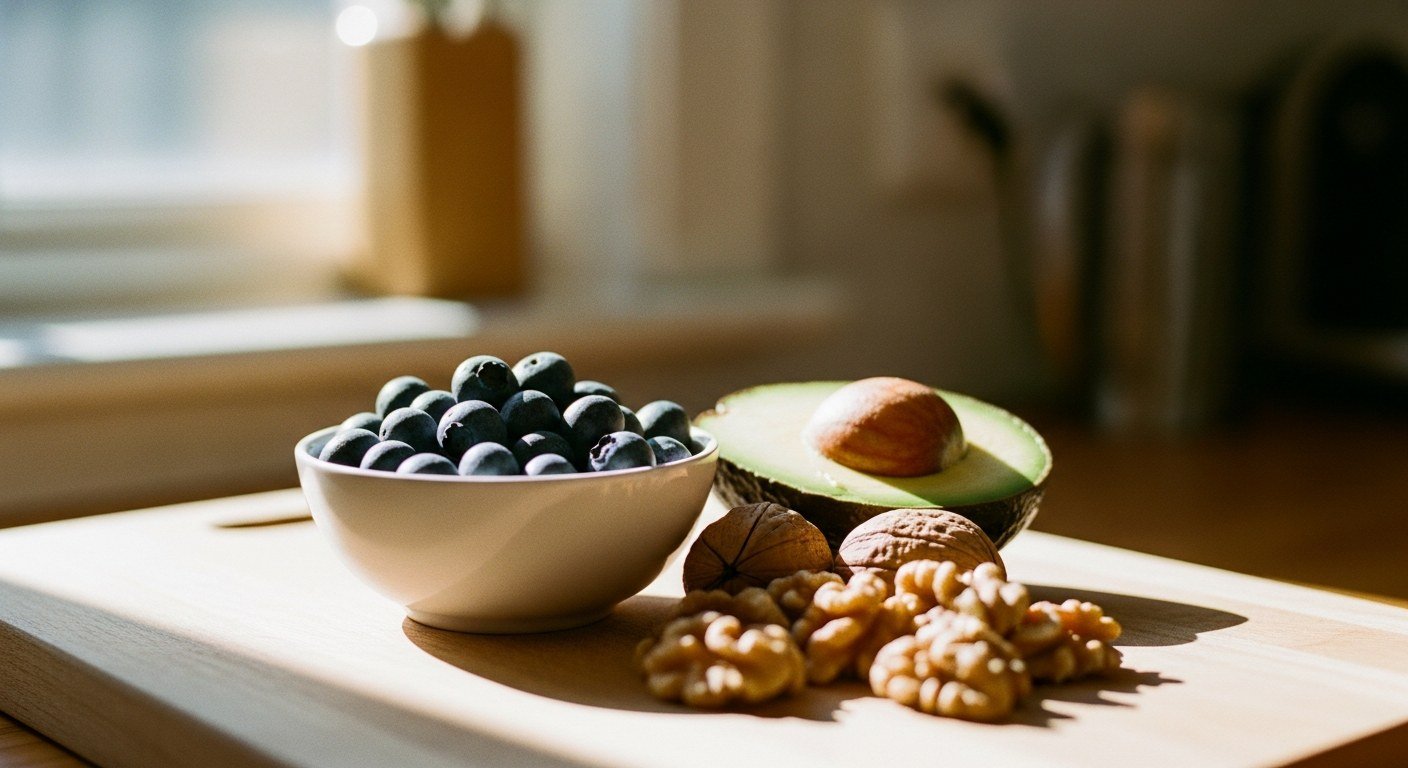
✓ Reviewed for Clinical Accuracy Content cross-referenced against current MDS, AAN, and NINDS clinical guidelines · May 2026 Need to Know For tomorrow’s breakfast, plan to add one handful of dark berries like blueberries or blackberries. No other changes are needed for this first step. ⚡ Quick Answer Brain health improves because the MIND diet enriches the nervous system with anti-inflammatory antioxidants that protect surviving neurons. A powerful, proactive strategy is adopting this hybrid Mediterranean-DASH diet, empowering patients to take direct, daily control over their neuroprotective environment. Clinical References National Institute on Aging Movement Disorder Society Michael J. Fox Foundation In This Article What Are the Core ‘Brain-Healthy’ Food Groups in the MIND Diet? Which Foods Should Be Limited to Protect Brain Cells? How Can We Make the MIND Diet Practical and Affordable? Beyond Antioxidants: The Role of Flavonoids in Dopamine Neuron Survival Can MIND Diet Adherence Affect Parkinson’s Progression Speed? More Than a Diet: A Strategy for Brain Armor The MIND diet isn’t just a list of foods; it’s a proactive strategy for defending your brain. Standing for ‘Mediterranean-DASH Intervention for Neurodegenerative Delay,’ it combines two proven eating patterns to focus specifically on nutrients that support brain health. For individuals with Parkinson’s, this means strategically using your diet to combat the neuro-inflammation and oxidative stress that contribute to disease progression. According to the National Institute on Aging, this approach is strongly associated with neuroprotection. [1] Taking control of your plate is an empowering step, and Many people find that sharing these small victories makes the journey feel less overwhelming. THE 10+5 RULE 10 The MIND diet simplifies choices by focusing on 10 brain-healthy food groups to prioritize and 5 unhealthy groups to limit. (Source: National Institute on Aging, Current Guidelines) The diagnosis felt like a loss of control, with my body’s future dictated by a disease I didn’t understand. My husband and I felt helpless. Then, our neurologist mentioned the MIND diet. It was the first time we were given something we could *do*. We started small—adding spinach to our eggs, switching to olive oil. It wasn’t about a cure; it was about taking back a piece of our lives. Every meal became a small act of defiance, a way to fight for my brain health. It gave us hope. 3 Clinical Strategies Reviewed against current clinical practice standards. 01 What Are the Core ‘Brain-Healthy’ Food Groups in the MIND Diet? Focus on daily intake of leafy green vegetables (like spinach and kale) and at least one other vegetable to provide essential phytonutrients. (Source: National Institute on Aging, Current Guidelines) Incorporate berries (especially blueberries), nuts, and whole grains as key components of your daily snacks and meals for their antioxidant and anti-inflammatory properties. (Source: Movement Disorder Society, Current Guidelines) Prioritize olive oil as your primary cooking oil and aim for fish (not fried) at least once per week to boost intake of healthy omega-3 fatty acids. (Source: APDA, Current Guidelines) 💡 What You Can Do Today: Look in your fridge or pantry right now. Identify one ‘MIND-friendly’ food you already have (like nuts, olive oil, or a vegetable). Plan to feature it in your next meal. 02 Which Foods Should Be Limited to Protect Brain Cells? The MIND diet recommends strictly limiting butter/margarine, cheese, red meats, and fried foods to reduce intake of saturated and trans fats that can promote inflammation. (Source: National Institute on Aging, Current Guidelines) Significantly reduce consumption of pastries and sweets, as high sugar intake is linked to increased inflammation and oxidative stress in the brain. (Source: Michael J. Fox Foundation, Current Guidelines) Limiting these foods is not about total deprivation, but about shifting the balance. This is a key strategy for reducing systemic neuro-inflammation, a known driver of PD progression. (Source: Movement Disorder Society, Current Guidelines) [2] 💡 What You Can Do Today: Pick one of the five limited categories (e.g., pastries). Decide on a simple swap for tomorrow. For example, instead of a morning pastry, choose a handful of walnuts and a piece of fruit. 03 How Can We Make the MIND Diet Practical and Affordable? Start small. Instead of a complete overhaul, add one new healthy food or limit one unhealthy food per week. This sense of control and gradual progress can improve self-efficacy and reduce depressive symptoms. (Source: Michael J. Fox Foundation, Current Guidelines) [3] Utilize frozen fruits and vegetables. They are often cheaper than fresh, last longer, and retain their full nutritional value, making them an excellent choice for smoothies or side dishes. (Source: APDA, Current Guidelines) Plan meals for the week. This reduces food waste, lowers costs, and makes it easier to stick to the plan, especially on days when Parkinson’s symptoms like fatigue are more pronounced. (Source: Family Caregiver Alliance, Current Guidelines) 💡 What You Can Do Today: Write down three MIND-friendly meals you already know how to cook. Example: oatmeal with berries, a large salad with chicken, salmon with roasted vegetables. This is the starting point for your first week’s plan. Are you looking for a proven, actionable way to protect your brain health at the dinner table? You don’t have to navigate dietary changes alone. Request a Call Which Dietary Approach Is Right for You? Approach Best For Time to Start Cost MIND Diet Individuals focused specifically on neuroprotection and slowing cognitive decline. Immediately, with one small change. Low-Moderate; uses common grocery items. Mediterranean Diet General wellness, cardiovascular health, and reducing systemic inflammation. Immediately. Low-Moderate. Ketogenic Diet PwP exploring specific neuro-metabolic effects, requiring strict medical supervision. Only after consultation with a neurologist and dietitian. Moderate-High; may require specialty foods. Beyond Antioxidants: The Role of Flavonoids in Dopamine Neuron Survival While ‘antioxidants’ is a common term, specific compounds called flavonoids are gaining attention in Parkinson’s research. Studies, such as those highlighted by the Michael J. Fox Foundation, explore how flavonoids found in berries, apples, and tea may not only reduce oxidative stress but also actively protect dopamine-producing neurons. The mechanism involves modulating cell signaling pathways that reduce inflammation and prevent apoptosis (programmed cell death). This goes beyond simple ‘mopping up’ free radicals; it’s about actively intervening in the degenerative process at a cellular level. Foods rich in these compounds include parsley, celery, citrus fruits, and dark berries, making them high-priority targets in a MIND-style diet. (Source: Michael J. Fox Foundation, Current Guidelines) This research suggests certain foods may help fortify the very neurons most vulnerable in Parkinson’s disease. Can MIND Diet Adherence Affect Parkinson’s Progression? While no diet can cure Parkinson’s, emerging research suggests a strong link between dietary patterns and the rate of disease progression. According to the Movement Disorder Society, high adherence to a Mediterranean-style diet (a core component of MIND) is associated with a slower accumulation of motor deficits. The proposed mechanism is the diet’s ability to lower systemic neuro-inflammation, a key pathological driver in PD. [2] This underscores the financial and quality-of-life stakes: a well-managed diet, adopted early, may translate into more years of lower-symptom living. Always discuss significant dietary changes with your care team, including a registered dietitian, to ensure it complements your overall treatment plan. ✅ Your Next Steps Use this checklist to start today. ✅ Add to Prep PDF: Request a Clinical Dietitian referral to build a Parkinson’s-specific MIND Diet plan.: Ask your neurologist for a referral to a dietitian who specializes in neuro-nutrition to create a personalized and safe plan. ✅ Swap your cooking oil: Purchase a bottle of extra virgin olive oil to use as your primary cooking and finishing oil. ✅ Plan a ‘Berry Boost’: Add blueberries, blackberries, or strawberries to your grocery list for adding to yogurt, oatmeal, or salads. ✅ Document your meals: For one week, use a simple notebook to jot down what you eat. This isn’t for judgment, but for identifying one easy opportunity for a healthy swap. ✅ Join the Community: Attend a free Parkinsons.Community peer support session to share tips and find encouragement. Clinical References National Institute on Aging Movement Disorder Society Michael J. Fox Foundation ⚠️ Medical & Legal Disclaimer: This article is for educational purposes only and does not constitute medical advice. Consult a Movement Disorders Specialist for evaluation of Nutrition & Brain Health. Parkinsons.Community provides educational navigation support only and does not perform clinical triage. 📞 When to Call 911: If you or your loved one experiences a medical emergency — difficulty breathing, loss of consciousness, a fall with injury, chest pain, or sudden severe confusion — call 911 immediately. The information on this page is educational and does not replace emergency medical services. FREE MEMBER BENEFIT Take Control of Your Daily Nutrition Making dietary changes can feel isolating and overwhelming. Connect with peers who are on the same journey to share recipes, successes, and strategies for staying motivated. Join Parkinsons.Community Educational support only. Never medical triage.
Medical & legal disclaimer. This protocol is general educational information. It is not medical advice and does not replace your care team. Always consult your neurologist before changing medications or care. In an emergency, call 911.