Blood Pressure
Managing Daytime Drooling: Dignified Solutions for Parkinson’s
Updated
Need to know
Why Swallowing ‘Forgets’ in Parkinson’s
Quick answer
Daytime sialorrhea occurs because Parkinson’s-related bradykinesia slows the throat’s automatic swallowing reflex. The most effective intervention is timed, conscious swallowing, which works by using the thinking brain to override the failing reflex. Start by setting a vibrating reminder to swallow every 10-15 minutes.
In This Article
- Why Swallowing 'Forgets' in Parkinson's
- Strategy 1: Retraining the Swallow with External Cues
- Strategy 2: Optimizing Posture and Oral Hygiene
- Strategy 3: Gold-Standard Clinical Interventions
- The Hidden Risk: Sialorrhea and Aspiration Pneumonia
It's Not Extra Saliva, It's a Slowed Reflex
Daytime drooling, or sialorrhea, is one of the more socially challenging non-motor symptoms of Parkinson's. Many assume the body is producing too much saliva, but that's a misconception. Daytime drooling is caused by bradykinesia of the throat slowing the unconscious swallowing reflex, not excess saliva. The automatic, subconscious signal to swallow simply isn't firing as often as it should, allowing saliva to pool and eventually spill. This is not just a cosmetic issue; it's a direct sign of a breakdown in autonomic function. At Parkinsons.Community, we understand the frustration. Our goal is to connect you with information on dignified, effective solutions to discuss with your care team.
3 Clinical Strategies
Reviewed against current clinical practice standards.
01A DIGNITY CHALLENGE
UP TO 80%
Up to 80% of people with Parkinson's experience sialorrhea, impacting social confidence and increasing aspiration risk. (Source: MDS, Current Guidelines)
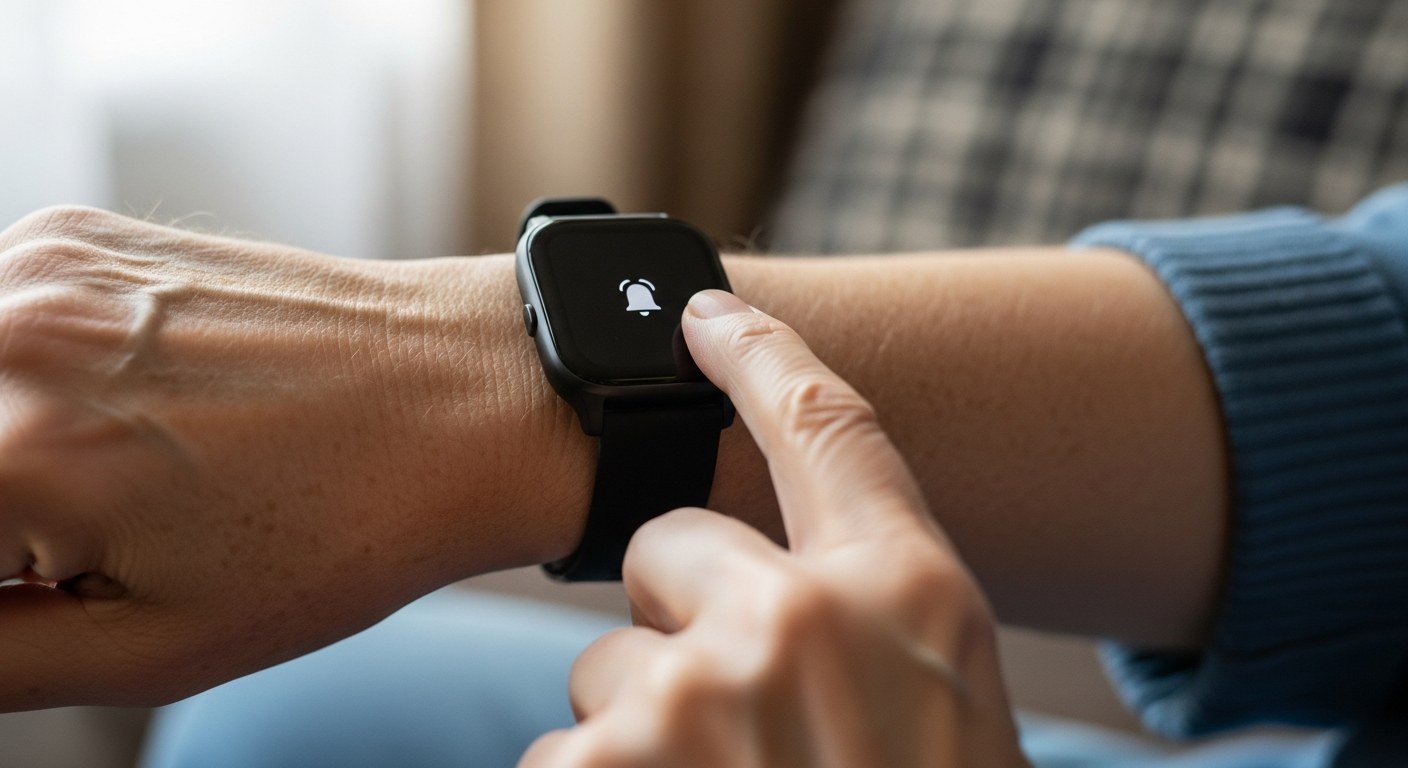
My husband, George, was withdrawing. He'd stopped going to his weekly coffee group because he was so self-conscious about drooling. He'd hold a tissue to his mouth constantly. At night, I read about using external cues. I set his smartwatch to vibrate silently every 10 minutes. I told him, 'George, every time you feel the buzz, that's your new signal. Swallow hard.' It took a week, but he started internalizing the cue. Last Tuesday, he went back to his coffee group for the first time in months.
Clinical references
Medical & legal disclaimer. This protocol is general educational information. It is not medical advice and does not replace your care team. Always consult your neurologist before changing medications or care. In an emergency, call 911.