- Improve lighting, especially on the path from the bed to the bathroom. Use bright, motion-activated nightlights to prevent disorientation and falls during the night (Source: Family Caregiver Alliance, Current Guidelines).
- Remove all tripping hazards like loose rugs, electrical cords, and clutter. A clear path is a safe path. Secure rug edges with double-sided tape (Source: CDC, Fall Prevention Guidelines).
- Install grab bars in critical areas like the shower, toilet, and hallways. These provide crucial stability during transfers and moments of postural instability. Ensure they are professionally installed to support a full adult's weight (Source: NIA, Current Guidelines).
💡 What You Can Do Today: Take five minutes right now and walk the path from your loved one's bed to the bathroom. Pick up one thing—a stray shoe, a pile of books, a loose cord—that could cause a trip. Clearing just one hazard can prevent a fall.
Has your loved one's doctor ever ordered a bone density scan alongside their Parkinson's care?
Coordinating care for hidden risks like osteoporosis can feel overwhelming, but you don't have to do it alone.
Sign Up For Webinars
Which Bone Health Strategy Is Right for Your Situation?
| Approach | Best For | Time to Start | Typical Cost |
|---|
| Proactive DEXA Scan | All individuals with PD, especially those over 65 or with a history of falls. | Immediately | Often covered by insurance with a physician's order (rules and coverage vary by state and individual plan). |
| Nutritional Protocol | Anyone with PD, particularly those with low Vitamin D levels or poor dietary calcium intake. | Immediately | Low (cost of fortified foods and over-the-counter supplements). |
| Home Safety Audit | Everyone, but especially critical for those with gait freezing, balance issues, or orthostatic hypotension. | Immediately | Free for basic changes; moderate for professional grab bar installation. |
The Hidden Link: How Dopamine Loss May Directly Weaken Bones
While immobility is a primary driver of bone loss in Parkinson's, emerging research suggests a more direct biological link. Scientists have discovered dopamine receptors on osteoblasts—the very cells responsible for building new bone. According to findings discussed by the Michael J. Fox Foundation, this suggests that the fundamental lack of dopamine in the Parkinson's brain may directly impair the body's ability to create and maintain strong bone tissue, independent of physical activity levels. This makes the disease a dual-threat: it not only increases falls through motor symptoms but may also weaken the bones from the inside out through a direct cellular mechanism, making proactive bone health management even more critical.
This means that even relatively mobile patients with Parkinson's may still be at high risk for osteoporosis.
Your Script: How to Formally Request a DEXA Scan and Bone Health Protocol
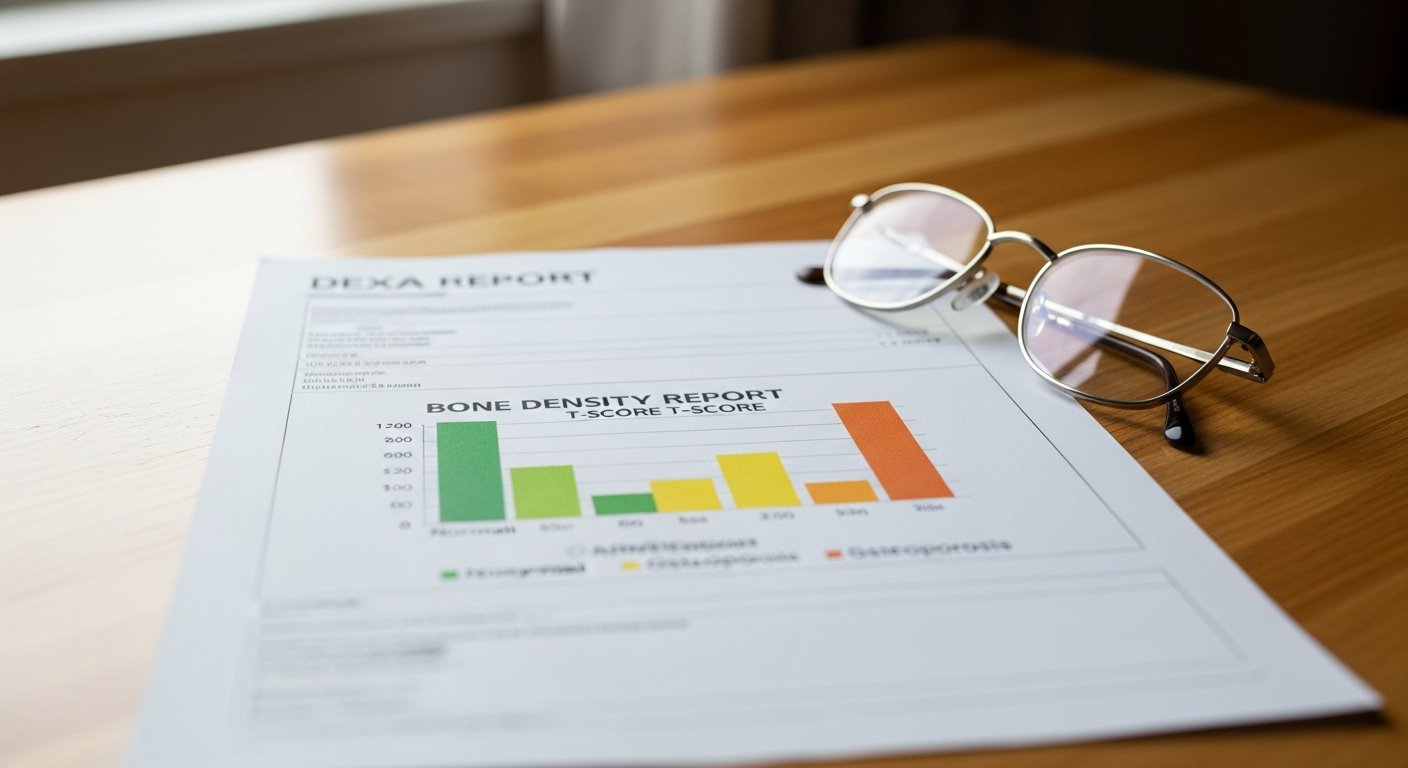
When speaking with the medical team, using precise language can improve outcomes. Instead of saying 'Should we worry about bones?' use a formal, direct request: 'Given the established link between Parkinson's, high fall risk, and osteoporosis, we are formally requesting a baseline bone mineral density assessment via a DEXA scan.' After the scan, your follow-up questions should be just as specific: 'What are the T-scores, and what do they mean for fracture risk? What is the target serum Vitamin D level we should aim for?' Always discuss any potential treatments, like bisphosphonates, with the prescribing physician to understand the risks and benefits for your loved one's specific health profile.
✅ Your Next Steps
Use this checklist to start today.
- ✅ Add to Prep PDF: Order a baseline DEXA scan to evaluate osteoporosis and hip-fracture risk.
- ✅ Conduct a Home Safety Audit: Use the CDC's fall prevention checklist to identify and remove hazards in your home this week.
- ✅ Prepare for the Next Appointment: Write down your specific questions about Vitamin D levels, calcium intake, and the results of the DEXA scan.
- ✅ Consult a Physical Therapist: Request a referral to a physical therapist who specializes in neurological conditions to develop a safe, weight-bearing exercise program.
- ✅ Join the Community: Attend a free Parkinsons.Community peer support session to share strategies with other caregivers managing fall and fracture risk.
Clinical References
- Gregson CL, Armstrong DJ, et al. The 2024 UK clinical guideline for the prevention and treatment of osteoporosis. Arch Osteoporos. 2025;20(1):119. PMID: 40921943.
- van den Bos F, Speelman AD, et al. Parkinson's disease and osteoporosis. Age Ageing. 2013;42(2):156-62. PMID: 23132148.
- Invernizzi M, Carda S, et al. Osteoporosis in Parkinson's disease. Parkinsonism Relat Disord. 2009;15(5):339-46. PMID: 19346153.
⚠️ Medical & Legal Disclaimer: This article is for educational purposes only and does not constitute medical advice. Consult a Movement Disorders Specialist for evaluation of Osteoporosis and fall-fracture risk in Parkinson's. Parkinsons.Community provides educational navigation support only and does not perform clinical triage.
📞 When to Call 911: If you or your loved one experiences a medical emergency — difficulty breathing, loss of consciousness, a fall with injury, chest pain, or sudden severe confusion — call 911 immediately. The information on this page is educational and does not replace emergency medical services.
FREE MEMBER BENEFIT
Don't Wait for a Fracture — Act Now
A hip fracture can be the beginning of a rapid decline in independence and quality of life. Coordinating preventative care now can avert a crisis later. Connect with other caregivers who are navigating the same challenges.
Join Parkinsons.Community
Educational support only. Never medical triage.