LiveArticle lifecycle: Live
Freezing & Falling
Growing Joy: Adaptive Gardening Hacks for Parkinson’s Patients
Updated
Need to know
Why Do People with Parkinson’s Stop Gardening?
Quick answer
Hobby abandonment in gardening occurs because Parkinson’s motor symptoms like rigidity and tremor make bending and gripping difficult. One of the most effective interventions is transitioning to waist-high garden beds and ergonomic tools, which works by minimizing fall risks and reducing hand strain. A great way to start is by moving a single plant to a tabletop to work on while seated.
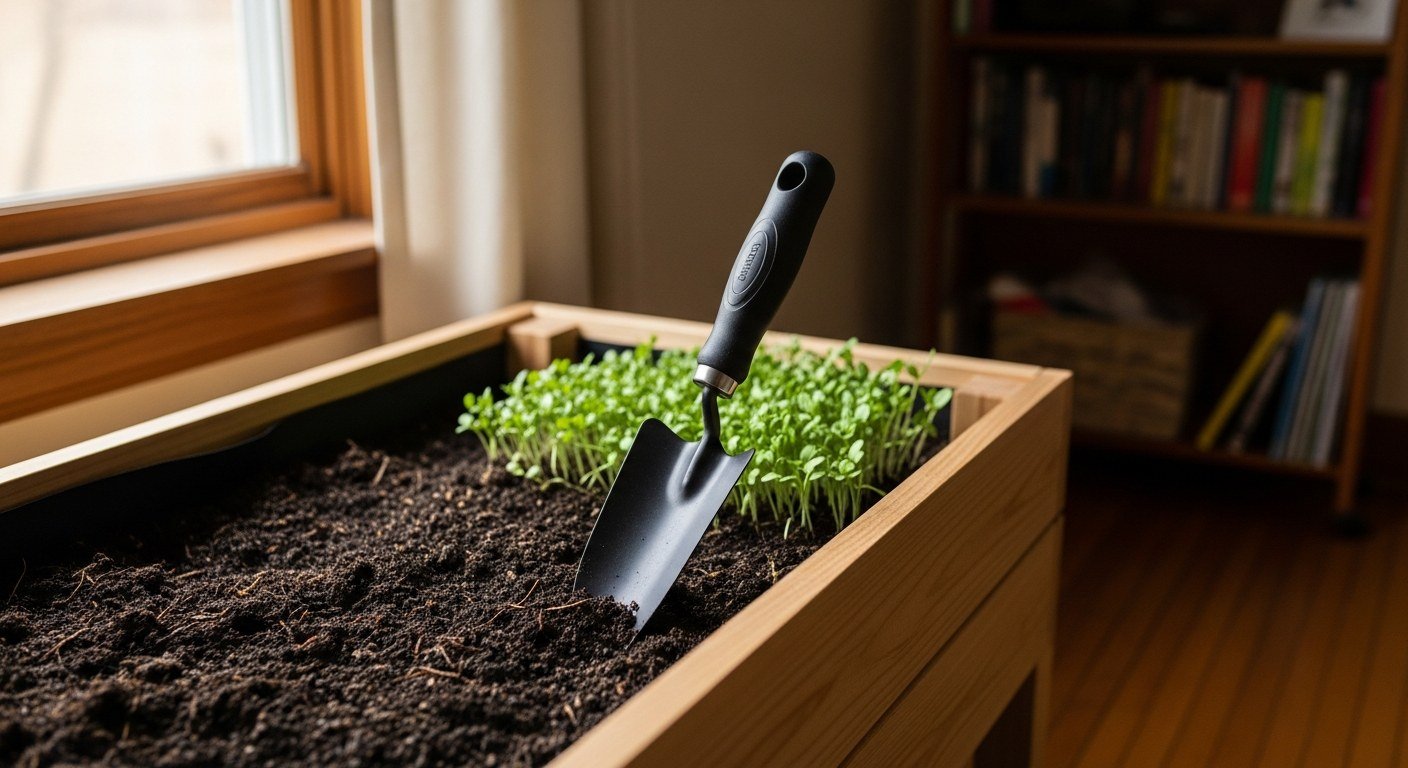
✓ Reviewed for Clinical Accuracy Content cross-referenced against current MDS, AAN, and NINDS clinical guidelines · May 2026 Need to Know Do not bend over to pull weeds if you are a fall risk. Bring a few potted plants indoors to a kitchen table or counter, allowing you to garden from a safe, seated position immediately. ⚡ Quick Answer Hobby abandonment in gardening occurs because Parkinson’s motor symptoms like rigidity and tremor make bending and gripping difficult. One of the most effective interventions is transitioning to waist-high garden beds and ergonomic tools, which works by minimizing fall risks and reducing hand strain. A great way to start is by moving a single plant to a tabletop to work on while seated. Clinical References American Occupational Therapy Association American Horticultural Therapy Association National Institute on Aging In This Article Why Do People with Parkinson’s Stop Gardening? How Can I Make Gardening Accessible Again? What Tools Make Gardening Easier with Parkinson’s? Comparing Adaptive Gardening Setups The Therapeutic Power of Plants Don’t Let Parkinson’s Uproot Your Passion For many, gardening is a source of peace, accomplishment, and connection to the earth. But when Parkinson’s symptoms like stiffness, tremor, and balance problems emerge, this beloved hobby can become a source of frustration and even danger. The bending, kneeling, and fine-motor control required for traditional gardening can feel impossible, leading many to give it up entirely. This loss isn’t just about a hobby; it’s the loss of a therapeutic outlet and a piece of one’s identity. But you are not alone in this, and simple adaptations can help you get your hands back in the soil safely and joyfully. A PRIMARY DEFENSE 90% Up to 90% of people with Parkinson’s may experience non-motor symptoms like depression and anxiety, and continuing cherished hobbies is a key strategy for protecting mental well-being. (Source: Data from the Parkinson’s Foundation) He loved his garden, but his stiff back and rigid hands made using a trowel agonizing. The constant stooping left him dizzy, and his tremor sent seeds scattering everywhere. He felt like Parkinson’s had stolen the one thing that brought him quiet joy. By installing elevated, waist-high cedar planter boxes and buying thick-handled foam tools, he returned to the dirt with zero pain, rediscovering his passion from a safe, standing position. 3 Clinical Strategies Reviewed against current clinical practice standards. 01 How Can I Make Gardening Accessible Again? The single most effective adaptation is to eliminate the need to bend and kneel, which are high-risk activities for anyone with postural instability. Utilizing elevated workspaces completely eliminates the need for lumbar flexion, drastically reducing the fall risk associated with traditional ground-level hobbies. [1] Vertical gardens, wall-mounted planters, and hanging baskets also bring the work up to a safer level, often at eye or chest height, reducing neck and back strain. (Source: APDA, Current Guidelines) 💡 What You Can Do Today: Go outside and identify a sturdy, waist-high outdoor table. Place one or two of your existing potted plants on it. For the next week, tend only to these plants to experience the difference before investing in new equipment. 02 What Tools Make Gardening Easier with Parkinson’s? Look for tools with thick, padded, or ergonomically shaped handles. These require less grip strength and fine motor control to use effectively, reducing hand fatigue and cramping. Adapting cherished leisure activities with ergonomic tools ensures continued participation, which is a primary defense against clinical depression in older adults. [3] Long-handled, lightweight tools allow for weeding, watering, and soil cultivation from a seated or standing position, eliminating the need to reach or bend. (Source: APTA, Current Guidelines) 💡 What You Can Do Today: Find a piece of foam pipe insulation or a pool noodle. Carefully cut a section and wrap it around the handle of your favorite trowel, securing it with duct tape. This instantly creates a thicker, more comfortable grip for zero cost. 03 How Does Gardening Benefit My Mental Health? The act of nurturing a living thing provides a sense of purpose and accomplishment that can combat feelings of apathy or depression common in Parkinson’s. Engagement with nature and active plant care significantly lowers circulating cortisol levels and provides profound grounding and stress relief. [2] The structured, repetitive tasks of gardening—potting, watering, pruning—can have a meditative effect, helping to calm a busy mind and even temporarily lessen the perception of tremor. (Source: MJFF, Current Guidelines) 💡 What You Can Do Today: Bring a small, fragrant plant like lavender or mint indoors and place it where you spend the most time. Gently rub a leaf between your fingers and focus on the scent. This simple sensory exercise can provide an immediate moment of calm. Have you given up a hobby you love because it physically hurts to do it? You don’t have to face this alone. Request a Call Which Adaptive Gardening Setup Is Right for You? Approach Best For Time to Start Typical Cost Indoor Container Gardening Those with limited mobility or space; great for seated work. Same Day $20 – $100 Waist-High Planter Boxes Those who can stand comfortably but should not bend or kneel. 1-2 Days (assembly) $100 – $500+ Vertical Wall Gardens Those with limited ground space but good standing balance. 1 Day $50 – $300 Long-Handle Tool Use Modifying an existing ground-level garden for those with mild balance issues. Immediate $30 – $150 per tool The Occupational Therapist’s Role in Your Garden Many people don’t realize that an Occupational Therapist (OT) can help with more than just buttoning a shirt. Their entire focus is on helping you continue the ‘occupations’ of daily life, including hobbies. An OT can perform a formal assessment of your gardening setup and provide specific, medically-endorsed recommendations for tools and workspace modifications. This evaluation is often covered by Medicare Part B and other insurance plans when deemed medically necessary. An OT’s written recommendation can also be powerful documentation if you are seeking funding or support from organizations for adaptive equipment. This is a critical, underutilized resource for maintaining independence. (Source: American Occupational Therapy Association, Current Guidelines) A formal OT evaluation can transform gardening from a ‘risky hobby’ into ‘prescribed therapeutic activity’ in the eyes of your care team. Connecting Medication to Your ‘On’ Time in the Garden Your ability to enjoy gardening is directly linked to how well your Parkinson’s motor symptoms are managed. If you find you only have the energy or stability to garden for a brief window after your medication takes effect (your ‘On’ time), this is valuable information. Document these patterns. Consistent medication adherence, as prescribed by your neurologist, is key to maximizing these ‘On’ periods. If your ‘Off’ times—periods of increased stiffness or tremor—are consistently preventing you from doing what you love, discuss this pattern with your Movement Disorder Specialist. Never adjust medication timing or dosage on your own, but providing your doctor with a ‘hobby log’ can help them optimize your treatment plan. ✅ Your Next Steps Use this checklist to start today. ✅ Add to Prep PDF: Request an OT evaluation for ergonomic hobby adaptations and energy conservation. ✅ Start Small: Choose one adaptive strategy, like using a foam-handled tool or bringing one plant to a table, and try it for a week. ✅ Measure Your Workspace: Measure the height from the floor to your waist. This is the ideal height for an accessible planter box or work table to prevent bending. ✅ Create a ‘Hobby Log’: For one week, note the times of day you feel most able to engage in a hobby. Compare this to your medication schedule and share the log with your neurologist. ✅ Join the Community: Attend a free Parkinsons.Community peer support session to share tips and find encouragement from others who are adapting their hobbies. Clinical References American Occupational Therapy Association American Horticultural Therapy Association National Institute on Aging ⚠️ Medical & Legal Disclaimer: This article is for educational purposes only and does not constitute medical advice. Consult a Movement Disorders Specialist for evaluation of Hobby Abandonment. Parkinsons.Community provides educational navigation support only and does not perform clinical triage. 📞 When to Call 911: If you or your loved one experiences a medical emergency — difficulty breathing, loss of consciousness, a fall with injury, chest pain, or sudden severe confusion — call 911 immediately. The information on this page is educational and does not replace emergency medical services. FREE MEMBER BENEFIT Find Adaptive Ways to Do What You Love Losing a cherished hobby can feel like losing a part of yourself. Our community is filled with people who have found creative solutions to stay engaged and are ready to share what works. Join Parkinsons.Community Educational support only. Never medical triage.
Medical & legal disclaimer. This protocol is general educational information. It is not medical advice and does not replace your care team. Always consult your neurologist before changing medications or care. In an emergency, call 911.