- Chronic constipation, a common non-motor symptom of Parkinson's, is the primary driver of the straining that triggers the Valsalva maneuver. (Source: MJFF, Current Guidelines)
- The Valsalva maneuver causes acute intrathoracic pressure, resulting in a dangerous hypotensive lag that triggers defecation syncope. [1]
- A consistent bowel management program, including hydration and fiber, is a non-negotiable part of a fall prevention strategy for this specific risk. (Source: Parkinson's Foundation, Current Guidelines)
💡 What You Can Do Today: Track today's fluid intake. Fill a large, marked water bottle and set a goal to finish it by the end of the day. Increasing hydration is the fastest way to begin addressing stool consistency.
Is the bathroom the most dangerous room in your house for your loved one?
You don't have to navigate these hidden risks alone.
Sign Up For Webinars
Which Bathroom Safety Approach Is Right for You?
| Approach | Best For | Time to Start | Cost |
|---|
| Toilet Stool & Breathing | Immediate, non-invasive risk reduction for anyone experiencing constipation or dizziness. | Same Day | Free to $30 |
| Dietary & Fluid Management | Long-term prevention by addressing the root cause of straining (constipation). | 1-3 Days | Cost of groceries/fiber supplements |
| Medical Bowel Protocol | Those with severe, persistent constipation unresponsive to diet/hydration; requires doctor oversight. | Requires Appointment | Varies (co-pays, prescriptions) |
The Four Phases of the Valsalva Maneuver
The Valsalva maneuver isn't a single event but a four-phase cardiovascular roller coaster. Phase I is the initial strain, causing a brief spike in blood pressure. Phase II is continued straining, where blood flow to the heart drops, causing blood pressure to fall and heart rate to rise to compensate. Phase III is the release, causing a sudden dip in blood pressure—this is the moment of highest syncope risk. Phase IV is the 'overshoot,' where blood pressure surges above normal before stabilizing. In Parkinson's, autonomic dysfunction disrupts this regulation, making the Phase III dip dangerously prolonged and severe, leading to a blackout. (Source: Dysautonomia International, Current Guidelines)
The most dangerous moment is not the straining itself, but the instant of release.
How to Talk to the Doctor About Bathroom Fainting
When discussing this with the neurologist, be specific. Instead of saying 'He gets dizzy,' say 'He experiences lightheadedness and has fainted twice immediately after a bowel movement.' Keep a log of these events, noting time of day and relation to meals or medications. Formally request a review of your loved one's bowel management protocol and ask if a referral to a gastroenterologist or a pelvic floor physical therapist is appropriate. Inquire about orthostatic vital signs testing to quantify the level of autonomic dysfunction. Never adjust medications, especially for blood pressure or constipation, without direct guidance from your prescribing physician.
✅ Your Next Steps
Use this checklist to start today.
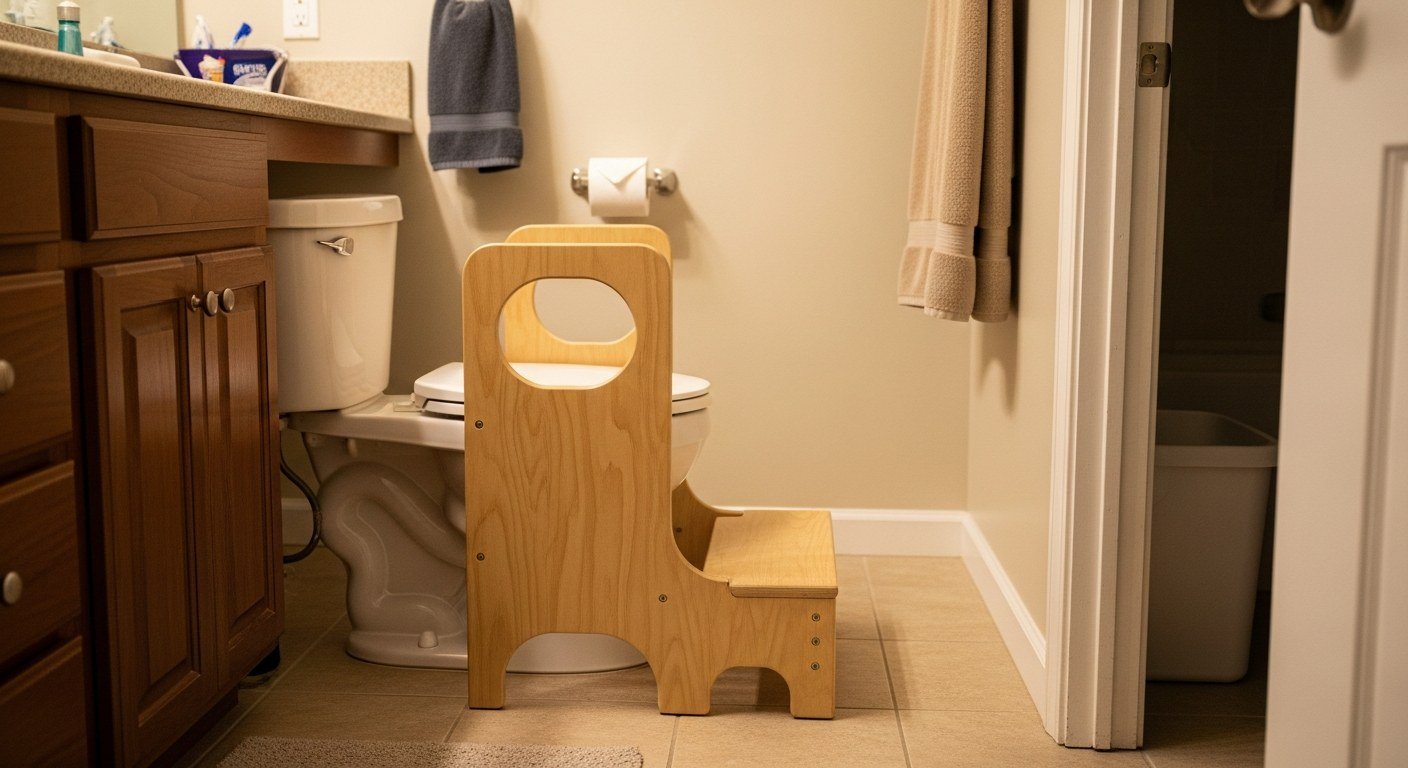
- ✅ Implement the Stool & Breathing Technique: Place a stool in the bathroom and coach the pursed-lip breathing technique at every toileting event today.
- ✅ Begin a Hydration Log: Track all fluid intake for the next 24 hours to establish a baseline. Aim for goals set by your clinical team.
- ✅ Schedule a Medication Review: At the next neurology appointment, specifically ask to review the bowel management plan and discuss the fainting episodes.
- ✅ Add to Your Prep PDF: In your care coordination binder, add a note to discuss aggressive bowel motility agents with the physician to eliminate the root cause of Valsalva straining. Discuss any changes with your Movement Disorders Specialist.
- ✅ Join the Community: Attend a free Parkinsons.Community peer support session.
Clinical References
- Efremova I, Maslennikov R, et al. Epidemiology of small intestinal bacterial overgrowth. World J Gastroenterol. 2023;29(22):3400-3421. PMID: 37389240.
⚠️ Medical & Legal Disclaimer: This article is for educational purposes only and does not constitute medical advice. Consult a Movement Disorders Specialist for evaluation of Toilet syncope from Valsalva maneuver and autonomic dysfunction. Parkinsons.Community provides educational navigation support only and does not perform clinical triage.
📞 When to Call 911: If you or your loved one experiences a medical emergency — difficulty breathing, loss of consciousness, a fall with injury, chest pain, or sudden severe confusion — call 911 immediately. The information on this page is educational and does not replace emergency medical services.
FREE MEMBER BENEFIT
The Bathroom Should Never Be a Crisis Zone
Managing hidden risks like toilet syncope is an exhausting, invisible burden for caregivers. Connecting with peers who understand can provide practical strategies and emotional relief.
Call a Patient Advocate
Educational support only. Never medical triage.