- While they don't treat the root cause, distraction techniques can help manage the distress. Engaging in an activity like listening to an audiobook or calming music can help shift focus away from the pain signals. (Source: NINDS, Current Guidelines)
- Gentle, rhythmic sensory input, like slow massage or applying a weighted blanket, may help soothe the overactive nervous system, but this varies greatly per person. (Source: APTA, Current Guidelines)
- Avoid wasting money on over-the-counter pain relievers that are proven ineffective for this type of neurological pain. This saves you from financial strain and false hope. (Source: AAN, Current Guidelines)
💡 What You Can Do Today: What You Can Do Today: Create a 'comfort kit' and place it by the bedside. Include headphones, a pre-loaded calming playlist or podcast, a soft blanket, and a favorite scented lotion for gentle massage. Having it ready means you aren't searching for relief in the middle of the night.
Is your loved one experiencing mysterious burning pain that no test can explain?
You don't have to face this alone.
Request a Call
Which Approach Is Right for Your Situation?
| Approach | Best For | Time to Start | Financial Stake |
|---|
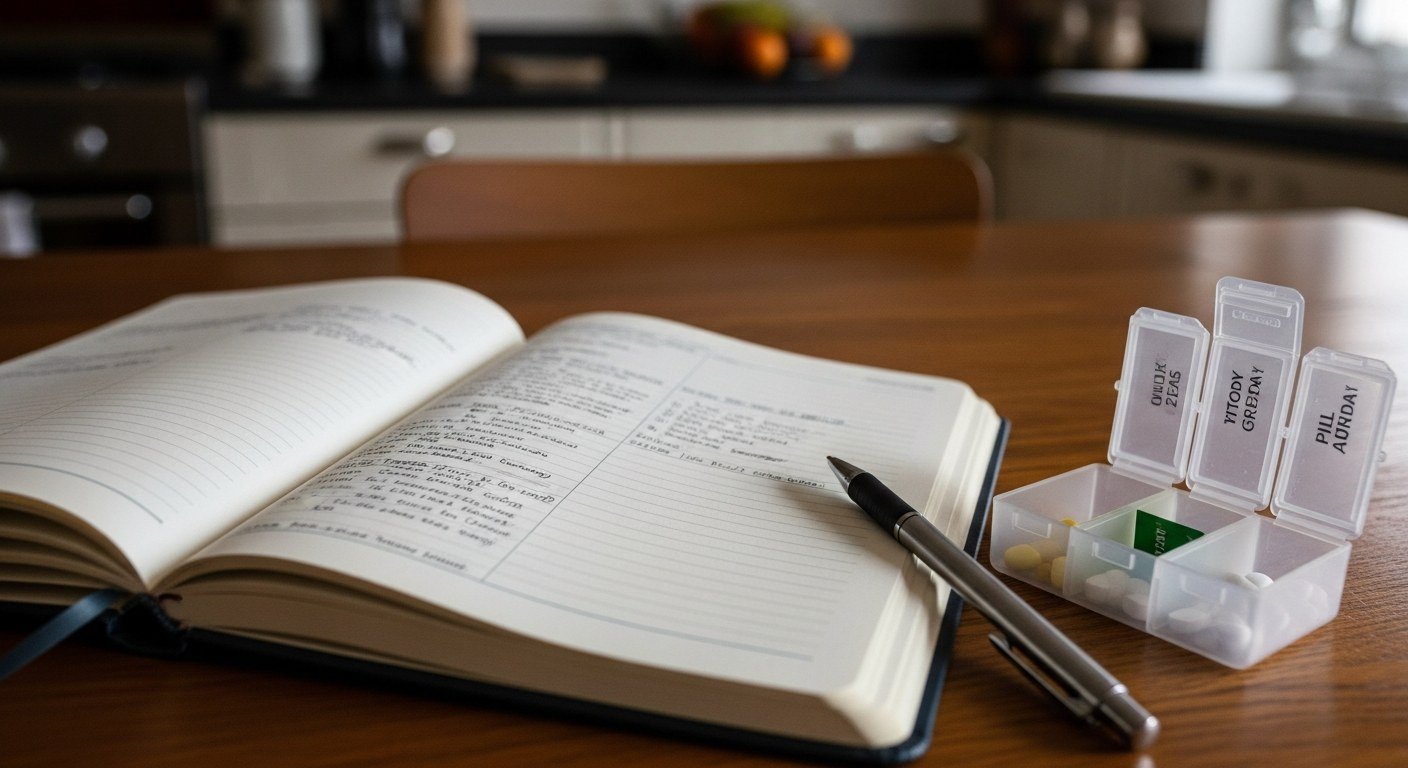
| Pain & Pill Logging | Gathering objective data to show your neurologist the direct link between 'OFF' time and pain. | Immediately, tonight. | Free |
| Medication Optimization (with your MD) | Directly treating the neurological root cause of Central Parkinson's Pain. | After your next doctor's appointment. | Cost of medication (varies by insurance). |
| Over-the-Counter Painkillers | Musculoskeletal pain (e.g., arthritis, strain), NOT effective for Central Parkinson's Pain. | N/A for this condition. | High. Wasting money on ineffective treatments. |
Midnight Caregiver Action: The OFF-Period Pain Test
This is the single most important diagnostic tool you have at home. Track the pain against the pill schedule. If the bizarre burning or aching sensation consistently flares up only during the 'wearing off' period before the next dose of levodopa is due, it is almost certainly Central Pain. When you present this clear, timed data to your Movement Disorders Specialist, it points them directly to the most likely solution. Based on your log, they may discuss adjusting the timing or dosage of medication to smooth out these dopamine fluctuations. Never adjust without direct guidance from your prescribing physician.
If the burning sensation flares exclusively during OFF periods, it is Central Pain. Discussing a Levodopa adjustment with your doctor may be the solution.
Beyond the Basal Ganglia: Why Central Pain Feels So Distressing
While we talk about the basal ganglia, dopamine depletion also impacts other key brain regions involved in pain perception. The thalamus acts as a sensory relay station, and when it's dopamine-starved, it can garble incoming signals, turning a normal sensation into one of pain. (Source: NINDS, Current Guidelines). Furthermore, the insular cortex, which processes the emotional quality of physical sensations, is also affected. This is why Central Pain isn't just a 'sensation'—it often carries a profound sense of distress or unease that is difficult to describe, making it a true neuropsychiatric symptom. (Source: MDS, Current Guidelines).
How to Talk to Your Doctor About Central Parkinson's Pain
Doctor appointment anxiety is common, especially when describing a symptom that isn't visible. Instead of saying 'it hurts sometimes,' use your pain log to be specific. Try these phrases: 'We've documented that this deep, burning pain starts exactly 45 minutes before each afternoon levodopa dose and resolves within 30 minutes of taking it. It doesn't seem related to any activity.' This transforms a subjective complaint into objective data. Formally request a review of the medication schedule specifically to address this 'predictable, end-of-dose dystonic pain' or 'central pain.' Always consult your neurologist before modifying any treatment schedule.
✅ Your Next Steps
Use this checklist to start today.
- ✅ Start Your Log: Tonight, begin a 'Pain & Pill' log to track the timing of the burning sensations against the medication schedule.
- ✅ Analyze for Patterns: After 3-4 days, review the log for a clear pattern linking pain flares to 'OFF' periods before a dose is due.
- ✅ Update Your Prep PDF: Add to Prep PDF: Review OFF-state pain log for dopamine adjustments to address Central Pain.
- ✅ Schedule a Consultation: Make an appointment with the Movement Disorders Specialist to present your findings and discuss potential treatment adjustments.
- ✅ Join the Community: Attend a free Parkinsons.Community peer support session to share experiences with others who understand.
Clinical References
- Mostofi A, Morgante F, et al. Pain in Parkinson's disease and the role of the subthalamic nucleus. Brain. 2021;144(5):1342-1350. PMID: 34037696.
- Cattaneo C, Jost WH. Pain in Parkinson's Disease: Pathophysiology, Classification and Treatment. J Integr Neurosci. 2023;22(5):132. PMID: 37735139.
- Ford B. Pain in Parkinson's disease. Mov Disord. 2010;25 Suppl 1:S98-103. PMID: 20187254.
⚠️ Medical & Legal Disclaimer: This article is for educational purposes only and does not constitute medical advice. Consult a Movement Disorders Specialist for evaluation of Central Parkinson's Pain — dopamine-depleted nociceptive pathway dysfunction. Parkinsons.Community provides educational navigation support only and does not perform clinical triage.
📞 When to Call 911: If you or your loved one experiences a medical emergency — difficulty breathing, loss of consciousness, a fall with injury, chest pain, or sudden severe confusion — call 911 immediately. The information on this page is educational and does not replace emergency medical services.
FREE MEMBER BENEFIT
This Pain Is Real — and It Has a Treatment
The frustration of having a severe pain that no one can explain is exhausting. Connecting with peers who have navigated this same challenge can provide immense relief and practical strategies.
Join Parkinsons.Community
Educational support only. Never medical triage.